Black coffee to take the edge off hunger
Caffeine is a mild appetite suppressant and a mild fat burner — it raises your metabolic rate slightly for a few hours after you drink it, and studies suggest it increases the amount of fat your body burns as fuel during that window.
The commonly cited “sweet spot” is around three cups a day (roughly 250–300mg of caffeine). That’s the range where the metabolic and fat-burning effect shows up clearly in research, without tipping into the jitteriness, anxiety and disrupted sleep that come with overdoing it. More than that and the extra benefit mostly flattens out — you’re just adding side effects for no further gain.

Keep milk and sugar out of it if the goal is appetite control and fat loss — a splash of milk and a spoon of sugar can easily turn a zero-calorie appetite suppressant into a 100+ calorie drink, several times a day.
Have your last one at least 8–12 hours before bed. Caffeine has a half-life of around 5–6 hours, so even a mid-afternoon coffee can still be partly in your system at bedtime. Poor sleep doesn’t just leave you tired — it disrupts the hormones that control hunger and energy, so you crave more and have less energy to move. Good sleep is genuinely one of the most underrated tools for weight loss, not a “nice to have” around it.
Intermittent fasting — useful, but for one main reason
Delaying when you start eating each day — intermittent fasting — is popular for a simple reason: it naturally cuts down how many calories you eat, without you having to consciously restrict anything. If you’re only eating between, say, midday and 8pm, you’ve removed an entire window of the day where snacking usually happens.
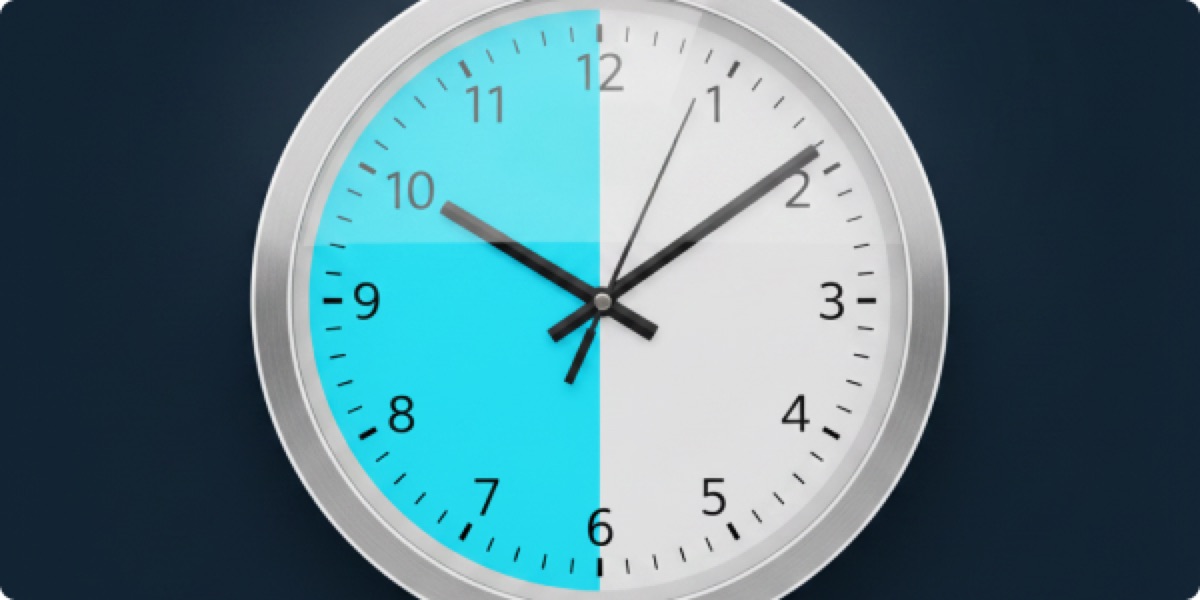
You’ll see all sorts of other benefits claimed for fasting — better focus, gut health, longevity. Treat those as unproven bonuses rather than the reason to do it. The one benefit we can say with confidence is the calorie reduction, and that’s reason enough on its own.
If a strict fasting window doesn’t suit your life, you don’t need to force it. Just having some consistent eating window — even a wide one — tends to help people naturally eat less than grazing all day with no structure.
Supplements worth knowing about in a deficit
Cutting calories means cutting the volume of food your body would normally get its vitamins and minerals from — so a deficit is exactly when small shortfalls are most likely to show up as low energy, poor recovery or a stalled plan. A few worth knowing:
- Creatine — one of the most well-evidenced supplements there is for training performance and muscle retention, especially useful in a deficit when your body is more likely to break down muscle for fuel.
- Iron, B12, magnesium, potassium — commonly run low when calories are cut, and each plays a role in energy production, muscle function and simply not feeling drained.
- Beta-alanine — can help push through the last few reps of a hard set, useful when energy is lower than usual.
- BCAAs — branch-chain amino acids, sometimes used around training to support muscle during a deficit — though if you’re already hitting your protein target from food, the extra benefit is small.
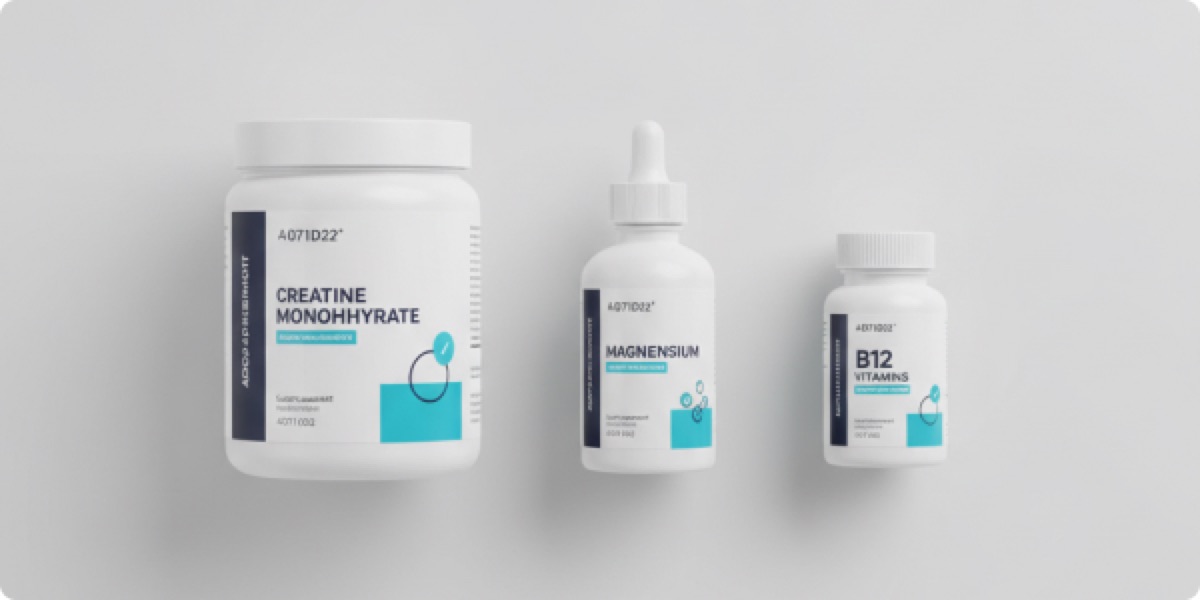
None of these do the work for you. They support a plan that’s already calorie- and protein-correct — they don’t fix one that isn’t.
Training order — a small edge, not a trick
Some people start a session with ab work or a short run before lifting, on the idea it “targets” belly fat specifically. In reality you can’t choose where your body pulls fat from — that’s decided by genetics, not exercise order. What training order can do is affect how much energy you have left for the rest of the session, and slightly shift how many calories that session burns overall. Worth experimenting with if you enjoy it — just don’t expect it to move fat off one specific area.
The one thing all of this comes back to
Every tip on this page — coffee, fasting, supplements, training order — is a small lever on the side of a much bigger machine: your calories and your macros. They can make hitting your targets a bit easier, or squeeze out a bit more from your training. They cannot replace actually hitting the targets.
A final word on weight loss drugs
Medications like Ozempic and Wegovy are, honestly, probably the most effective tool that exists right now for losing weight — they can make sticking to a deficit far easier by genuinely switching off hunger.
But that’s also exactly where they can backfire. When you’re not hungry, it’s easy to eat too little overall — and specifically to under-eat the protein, fat, and fibre-rich vegetables your body actually needs, without ever noticing you’re doing it. Do that for long enough and you can end up losing muscle, running short on vitamins, and feeling worse even as the scale moves the “right” way.
If you’re using one of these medications, tracking matters more, not less. It’s the only way to make sure that what looks like a perfect result on the scale is actually a healthy one underneath it.